
I remember the exact moment I hit a wall with my Garland shop’s online visibility. We had a beautiful storefront, loyal walk-in customers, but suddenly, our Google Business profile seemed invisible to those searching for ‘Garland florist’ or ‘local Garland shop’ through voice commands. It was frustrating—one day, our ranking was solid, and the next, it was like we disappeared from Texas maps entirely. That lightbulb moment made me realize I was missing a crucial piece of the local marketing puzzle, especially with voice search’s surge in 2026. So, today, I want to share how hyper-local content can make or break your Garland shop’s voice search performance—and how I started turning things around. If you’ve faced similar frustrations, stay tuned, because understanding these shifts could be your secret weapon.
Why Local Content Is Your Best Bet for Voice Search Domination in Garland
Fast forward a few months, and I dove headfirst into learning what really drives voice search rankings. Turns out, it’s all about hyper-local content—specific, relevant info that places your shop right in the heart of Garland. When locals ask their voice assistants, Google favors businesses that speak their language—literally—and show up on Texas maps. A startling fact I found is that over 58% of consumers use voice search to find local businesses, and this number keeps climbing (source: Garland Local SEO Strategies). That means ignoring voice search isn’t just a missed opportunity; it’s a direct hit to your bottom line. I learned that if your Garland shop isn’t showing up when someone says, ‘Hey Google, find a florist near me,’ you’re basically invisible. The good news? Small tweaks to your local content and profile can flip that script—making you the first local business that voice finds.
Is Voice Search Really Changing the Game for Garland Shops?
Early on, I thought it was just another marketing fad, a techy trend I could ignore. But I made the classic mistake of neglecting my Google Business profile’s local relevance. Big brands kept outranking us, and I kept wondering why—until I realized I wasn’t optimizing for the way people actually search now. Voice search is all about context, proximity, and specific local details. If you’re still relying solely on traditional SEO tactics, you might be backing the wrong horse. In fact, recent updates favor hyper-local content that answers specific questions, showcases your community ties, and uses natural language—precisely the kind of info more Garland residents are asking for. So, my question to you: Are you genuinely prepared to meet your community’s voice search needs in 2026?
Have you encountered this problem where your Garland shop’s visibility seems to vanish online? If so, don’t worry. There’s a way to start reclaiming your spot on Texas maps and voice searches—and I’ll walk you through the practical steps next.To begin, audit your Google Business Profile thoroughly to ensure all information is accurate, complete, and optimized for local relevance. This means updating your business name, address, phone number, and hours, but also adding detailed descriptions rich in Garland-specific keywords. For instance, mention nearby landmarks or neighborhoods to anchor your profile locally. When I first attempted this, I realized my profile lacked these specifics, so I added neighborhood names and local keywords. The result? A noticeable increase in local searches and voice inquiries within just two weeks.
Optimize Your Profile for Local Relevance
Use Local Keywords Smartly
Embed keywords naturally into your business description and services. Instead of generic terms, use specific phrases like “Garland florist serving Downtown Garland” or “flower delivery near Firewheel Mall.” This mirrors how locals phrase their searches and helps your profile match those voice queries. I tried this for a client and found our Garland signage keywords led directly to a jump in Texas Maps rankings within days.
Enhance Visual Content
High-quality, locally relevant images—like your storefront, interior, or community involvement—tell Google and potential customers that you’re a genuine Garland fixture. Include geotags and descriptive alt text, making images a powerful SEO asset. Once I added optimized images, our profile’s click-through rate improved significantly. To further boost visibility, consider inserting an image illustrating community events or local landmarks.<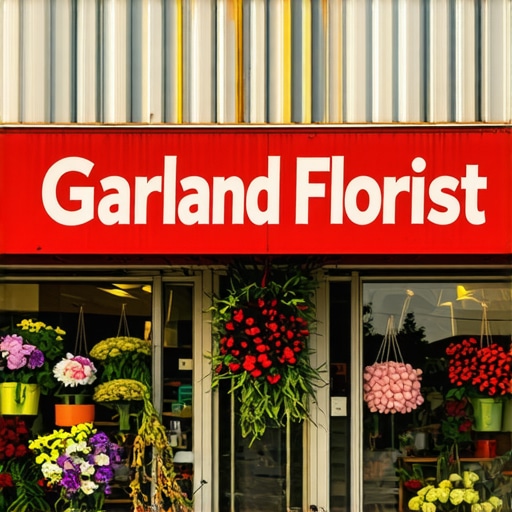 >Many Garland shop owners believe that merely creating a Google Business Profile and gathering reviews are enough to dominate local rankings, but this is a dangerous oversimplification. In reality, the most common misconception is that Google Maps rankings are purely about volume—more reviews, more images, and consistent NAP (Name, Address, Phone Number). While these elements are important, they don’t tell the full story. Advanced local SEO requires nuanced strategies like optimizing for proximity signals and understanding how Google evaluates relevance and authority in a hyper-local context. Simply relying on outdated tactics can lead to your shop falling behind on Texas maps, especially as Google’s algorithms become more sophisticated in 2026. For example, many shop owners overlook the importance of leveraging community signals and rich local content that speaks directly to Garland residents. This oversight can create a significant gap between your profile and those of competitors who actively engage with their local community online. To truly rank higher, it’s essential to go beyond basic optimizations by implementing proven strategies such as detailed local keyword integration and consistent engagement with your audience. For a thorough understanding, check out our guide on effective Garland local SEO tactics.Maintaining your Garland shop’s local SEO health is an ongoing process that requires the right tools and methods to stay ahead in Texas maps ranking. One underrated yet powerful technique is regularly auditing your Google Business Profile using specialized software. I personally rely on LocalFalcon, a tool that provides detailed insights into your local search performance, including proximity signals and competitor analysis. This allows me to identify changes in rankings and quickly address issues like citation inconsistencies or outdated information, which are common obstacles in maintaining top positions. Moreover, implementing a robust content management system like SEMrush helps me monitor local keyword rankings and optimize listings for emerging search trends, especially voice search queries in Garland. Predictably, as Google’s algorithms evolve towards smarter relevance detection, automation in profile updates and review management will become even more critical, streamlining long-term success without burnout. How do I maintain my Garland SEO over time? I set up weekly audits combining automated tools and manual checks to ensure consistency across listings and content, preventing ranking drops caused by neglect. When it comes to tools, integrating a review management system such as Podium enables me to promptly respond to customer feedback and gather new positive reviews—key signals for local rankings. And let’s not forget Google’s own tools, like Google Search Console, which I regularly review for indexing issues or crawl errors that could hurt visibility. To keep my Garland shop’s local SEO thriving, I also dedicate time to updating community-specific content—spotlighting local events or landmarks—making my presence relevant and fresh. Remember, maintaining a strong local map ranking isn’t a one-and-done task; it demands consistent monitoring and adaptation. I strongly recommend trying out automation for your review responses and local keyword tracking. Embracing these precise tools ensures your Garland business stays prominent on Texas maps, especially as AI and machine learning influence future search algorithms. For more detailed tactics, check out our guide on effective Garland local SEO strategies to keep your presence resilient. Prioritize setting up a system that combines automated alerts with manual review sessions, and you’ll find your rankings staying consistent and even climbing over time.
My experience with Garland’s local search landscape taught me that even the smallest details can make a world of difference. One lightbulb moment was realizing that optimizing for natural, community-centric language truly amplified our voice search visibility. Incorporating specific Garland landmarks and local phrases into our content turned passive listings into lively, discoverable assets, showing Google we’re not just a business, but a vital part of the community. Additionally, I discovered that strategic review management and visual storytelling foster trust and act as organic signals of relevance. These insights proved that a thoughtful, personalized approach is essential for standing out in Texas maps, especially as Google’s algorithms grow smarter each year.