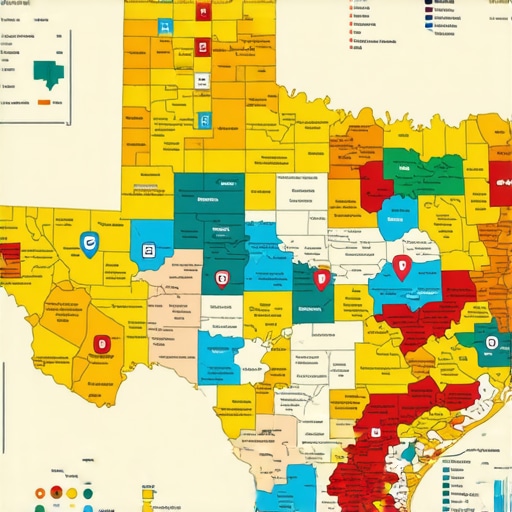
You know that sinking feeling when you check your Google Maps listing and see competitors stealing your leads, even in your own town? I experienced that firsthand. I watched potential clients pass right by my storefront, their gaze drawn to businesses that suddenly appeared higher in local searches. It was a lightbulb moment: I was doing everything “by the book” but still getting outranked. That frustration pushed me to dig deeper, test strategies, and finally crack the code for outranking in Richardson and across Texas. If you’ve ever wondered why despite all your efforts, your business remains buried in the maps, you’re not alone. Today, I promise to share the exact hacks that transformed my ranking and can do the same for you.
Why Local Map Rankings Can Make or Break Your Business in 2026
Navigating the local SEO landscape in Garland and Richardson is more competitive than ever. Google’s algorithms become more sophisticated, and the map pack™ is now a battlefield where every business fights to be seen first. Missing out means losing potential walk-ins, phone calls, and ultimately, revenue. According to recent statistics, over 75% of users never scroll past the first page in local searches, making your position on that tiny map crucial (Source: BrightLocal). If your business isn’t appearing at the top, chances are high you’re missing a significant chunk of local traffic.
So, what did I miss early on? I made a critical mistake: I focused solely on generic SEO tactics and ignored the unique signals that influence local map rankings in Texas. Many small business owners fall into this trap, believing that traditional SEO suffices. But as I learned firsthand, local SEO demands a tailored approach—one that understands the nuances of Texas maps, proximity filters, and the ever-evolving Google My Business (GMB) features.
Have you noticed your competitors suddenly ranking higher and stealing your leads? If so, don’t worry. There are proven, practical steps you can take today. In the upcoming sections, I’ll reveal the three powerful hacks that turned my ranking around and how you can apply them to dominate Richardson’s local search results for 2026. Ready to take back your visibility? Let’s dive into the tactics that really work.
Optimize Your Google My Business Profile for Maximum Impact
Start by claiming and verifying your GMB profile if you haven’t already. Jump into the profile management dashboard and ensure every section is filled out with accurate, local-specific details. Add relevant categories that match your niche, like ‘Garland Custom Furniture’ or ‘Richardson Lawn Care,’ to signal Google exactly what your business offers. Don’t overlook the importance of selecting a primary category that tightly aligns with your main service. Include local keywords naturally in your business description—think terms like ‘Garland’s top-rated electrician.’
Ensure Consistent NAP Data Across All Listings
Your Name, Address, and Phone Number (NAP) consistency is the backbone of local SEO. I once faced a situation where a misplaced digit in my Garland shop’s listing caused a significant drop in map visibility. I audited every platform—Yelp, Bing, local directories—and corrected all discrepancies. This simple fix boosted my rank within weeks. Use tools or spreadsheets to track your NAP details across all platforms and regularly audit for inconsistencies. For a comprehensive guide, check out this resource.
Leverage Local Keywords and Hyper-Local Signals
Incorporate city-specific keywords into your Google posts and service descriptions. Instead of generic phrases, use localized terms like “Garland residential plumbing” or “Best Garland bakery.” The challenge is understanding which signals Google prioritizes for your community. I experimented by updating my service areas to include specific ZIP codes like 75044 and 75040, and the results were noticeable. To refine your approach, analyze your competitors’ profiles—note what keywords they emphasize. For more advanced tactics, explore this strategy.
Gather and Amplify Genuine Local Reviews
Reviews are the currency of local rankings. I found that my efforts to solicit reviews were initially ignored—Google’s filtering seemed harsh. Then I adopted a community-focused review strategy: asking loyal customers face-to-face and providing direct review links. After implementing this, my reviews went from sparse to robust. Remember, authentic positive reviews not only improve rankings but also build trust with potential clients. Use your review link in your email signatures or post-service follow-ups. For review-boosting tactics, see this guide.
Enhance Photos and Business Attributes for Better Visibility
Visually appealing profiles attract clicks and conversions. I experimented with before-and-after photos of my storefront and interior, which visibly increased profile engagement. Moreover, ensure your business attributes—like ‘Wheelchair accessible’ or ‘Wi-Fi available’—are accurate and up-to-date. These signals help your listing appear in filters and improve local relevance. Also, high-quality images signal trust and professionalism—tools like Canva can help you create images that stand out. For more secret image hacks, check this article.Many local marketers in Garland and across Texas operate under assumptions that can unintentionally sabotage their ranking efforts. A common myth is that focusing solely on keyword stuffing or aggressive link building will push your profile to the top. In reality, Google’s algorithms have grown far more sophisticated, emphasizing user intent, relevance, and engagement over outdated tactics. For example, recent studies, such as Google’s Search Quality Evaluator Guidelines, highlight that quality signals like reviews and profile completeness have become paramount for local pack visibility (source: Google, 2023). This is why relying solely on traditional SEO techniques often leads to stagnation or even penalties in the Texas maps system.
Another trap I see frequently is the misconception that proximity to the center of a city guarantees top rankings. While location still plays a role, Google now employs complex filters and AI-driven signals that evaluate your entire ecosystem—your reviews, images, accurate NAP data, and consistency across listings. So, businesses might be surprised to see competitors farther away ranking higher simply because they optimized their profiles more effectively. The key is understanding this nuanced system and responding with strategic improvements rather than relying on outdated proximity assumptions.
Now, what advanced questions should you consider? How do Google’s newer AI algorithms interpret behavioral signals such as profile interactions or review trends within Texas communities? Recognizing these factors is crucial for staying ahead. For instance, active engagement metrics are now part of the local ranking puzzle, making it vital to continuously foster positive interactions on your profile. I recommend exploring detailed insights on local SEO dynamics in Garland at our cornerstone article, which covers how to analyze and adapt to these shifting signals.
Beware of the ‘set it and forget it’ mentality—local SEO is an ongoing process that demands vigilance and adaptation. Regularly auditing your profile, updating your service areas, and cultivating genuine reviews can prevent your listing from slipping behind increasingly competitive profiles. Do you ever feel overwhelmed by the ever-changing landscape of Texas maps ranking? Share your experiences in the comments!
For more advanced strategies, check out how to leverage local review signals effectively or explore niche-specific optimization tactics tailored for Garland’s unique market environment. Staying informed and agile is your best bet for dominating local searches in 2026 and beyond.Maintaining your local SEO momentum requires precision tools and consistent effort. I personally rely on the BrightLocal platform to track keyword rankings, audit listings, and monitor review status. Its comprehensive dashboard gives me real-time insights into my Garland shop’s visibility and alerts me to any discrepancies before they cost me leads. Additionally, I use Schema Markup plugins like Local Business Schema Pro to enhance my website’s visibility in rich results, making it easier for customers to find accurate business info and services directly from search snippets. For ongoing review management, I employ Repuso, which automates review requests and tracks authenticity, vital for long-term ranking stability. Looking ahead, as AI-driven algorithms evolve, integrating voice search optimization tools will become essential. These enable your profile to surface effectively when users search via smart devices, a trend I expect to accelerate in 2026. To keep things working, consistently audit your NAP data and leverage tools like SEMrush to analyze competitor keywords and traffic patterns, allowing you to adjust your strategy dynamically. Remember, local SEO isn’t a one-and-done task; it’s an ongoing process of optimization and adaptation. Interested in a practical next step? Try implementing Google’s own Search Console + Google Business Profile insights for real-time feedback on how your updates impact your rankings. How do I maintain my Garland local SEO over time? Regularly review your profile metrics, stay updated with new Google features, and refine your keyword strategies based on current trends. For instance, checking the latest from Google’s developer documentation can reveal new markup opportunities to enhance your listing’s prominence, as discussed in Google’s official schema documentation (source: Google Developers). This proactive approach ensures your profile remains competitive and visible, securing steady leads and foot traffic. Want to supercharge your review collection? Explore advanced tactics offered in our guide on review automation strategies.
What I Wish I Knew When I Started Rethinking Garland Local SEO
One of the biggest lightbulb moments was realizing that Google’s local algorithms are like a living organism—constantly evolving and influenced by small signals that many overlook. I discovered that simply claiming my GMB profile wasn’t enough; I needed to optimize every detail, from consistency in NAP data to local-specific keywords. The hardest lesson? Identifying which signals mattered most in Texas’s unique market atmosphere—it’s a nuanced game of patience, testing, and continuous learning.
Another insight was the importance of authentic community engagement. Encouraging reviews and leveraging high-quality images shaped how Google perceives my relevance—something I underestimated initially. I also learned to keep an eagle eye on my competitors, dissecting their strategies while tailoring my approach to suit Garland’s local vibe. This journey taught me that local SEO success is less about quick hacks and more about building a resilient, adaptable profile that resonates locally.
My Toolkit for Navigating the Texas Maps Race
If you’re wondering what resources helped me unlock better rankings, I recommend several trusted tools and guides that I personally use. BrightLocal has been indispensable for tracking keyword shifts and auditing listings; it provides real-time insights that keep my strategy sharp. For visual optimization, tools like Canva enable me to craft engaging images that catch users’ eyes and boost profile clicks. Additionally, I lean on the comprehensive guides found at Garland Local SEO, such as this resource on listing consistency and advanced Texas map fixes. Finally, staying updated with Google’s ongoing algorithm changes through official developer documentation ensures I stay ahead of the curve.
Keep Pushing Forward and Setting New Goals in Local SEO
The landscape of Garland and Texas local marketing continues to shift rapidly, but I believe every challenge is an opportunity. Whether you’re just starting or looking to solidify your rank, remember that consistent effort, a strategic mindset, and embracing new tactics are your best allies. Don’t hesitate to experiment with different profiles, review strategies, and keyword tweaks. The future of local map rankings in Garland is bright for those ready to adapt, learn, and lead. Are you prepared to take your local visibility to the next level? Share your experiences or questions below—let’s grow together.