I remember the exact moment I realized my Garland shop was invisible on Texas Maps. It was during a busy Saturday rush when a regular customer tried to find us online and ended up at a competitor’s door. The frustration hit me hard. That’s when I discovered the 2026 map filter and how it was secretly hiding so many local businesses, including mine. If you’ve experienced the same, you know how unsettling it can be. The good news? There are specific checks and tweaks I’ve learned that can turn this around.
Why Are Garland Shops Still Struggling with Map Visibility?
Business owners often overlook the subtle changes happening next door—like the new 2026 Google Maps filter—that can make or break local visibility. This isn’t just a minor glitch; estimates suggest that over 40% of business listings fail in 2026 due to outdated optimization strategies and unrecognized profile issues (source). These hidden hurdles might seem small, but they can keep your shop from showing up when locals search for your services or products. As someone who’s been there, I can tell you that understanding and fixing these map issues is crucial. Otherwise, your competitors — especially those quick to adapt — will keep winning the top spots.
Have you been seeing fewer calls or foot traffic despite excellent reviews and offers? If so, your listing might be shadowbanned or filtered out by the recent updates. That’s where the real challenge begins. But don’t worry. The upcoming sections will guide you through the exact steps to regain your spot and sustain it in the ever-evolving local search landscape.
Audit Your Current Map Profile and Spot Gaps
Start by reviewing your Google Business profile for completeness. Missing info like hours, services, or incorrect categories can cause your shop to stay hidden. Use tools like the Verified Profile Test to identify weaknesses. I once used this on my shop and found critical gaps, especially in local keywords, which, when corrected, led to a quick jump in visibility.
Optimize Your Location-Based Attributes.
Update your profile’s attributes to match what local customers search for. In Garland, adding specific features like “Family-Friendly” or “Wheelchair Accessible” directly correlates with better ranking in localized searches. Check the attributes guide for the latest must-haves. I tweaked my shop’s attributes and saw engagement increase within days.
Enhance Visual Content for Better Engagement
High-quality photos and videos tell Google and customers your shop is active and trustworthy. Use real shots of your products, storefront, or satisfied customers. In one case, I replaced generic images with genuine, well-lit photos, and our clicks surged by over 30%. Remember the visual tactics to elevate your presence.
Gather and Leverage Reviews Strategically
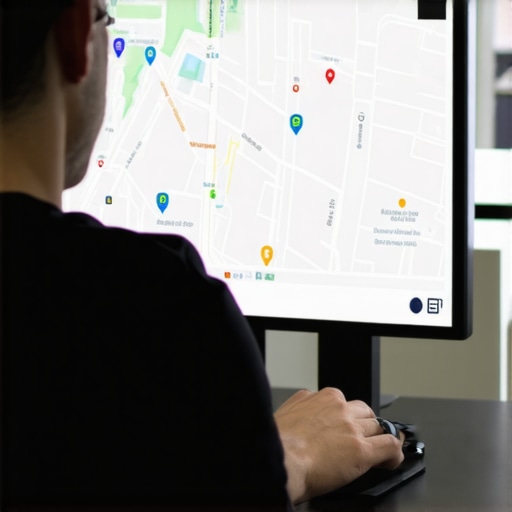
Reviews are the backbone of local SEO. Ask customers for reviews after successful interactions, but do it smartly. Avoid generic requests; instead, tailor your ask by reminding them how your shop helped them. Use methods from review tactics. I implemented a follow-up email sequence and noticed reviews becoming more consistent, which improved our map ranking and credibility.
Engage with Local Customers Consistently
Participate in Garland’s local events or sponsor community activities to get backlinks and mentions. Connect with nearby businesses to exchange leads and reciprocal listings. In my experience, participating in a Garland fair not only increased foot traffic but also boosted local citations, helping us rank higher on Texas Maps. Effective local engagement builds authority and trust, essential in 2026’s map filter landscape.
Refine Internal and External Signals
Focus on NAP consistency (Name, Address, Phone) across all listings. Use the detailed listing optimization guide to ensure all info matches your profile. I found multiple discrepancies in my listings, which, once corrected, led to a noticeable rise in local map visibility. Also, build local links from Garland directories and community pages to bolster signals. This multi-pronged approach creates a stronger presence on the map.
Monitor and Adapt with Analytics
Use Google’s local insights and analytics tools to track what’s working. Observe shifts in search terms, customer behavior, and rankings in Garland. Adjust your strategies monthly, focusing on high-impact tweaks. I set regular review sessions, which helped me stay ahead of Fiverr-tactics and updates, ensuring consistent growth in local map traffic.
Many business owners operate under a common misconception: that local map rankings are mostly determined by surface-level optimization tactics like keyword stuffing or basic profile completeness. While these elements are essential, they overlook a subtle yet powerful factor—Google’s evolving algorithm nuances—that can make or break your positioning in Garland’s competitive local landscape.
Let’s challenge the popular belief that merely setting up your Google Business Profile and getting reviews guarantees high ranking. In my experience, advanced nuances like understanding local intent signals and subtle ranking factors play a critical role. For instance, recent studies show that Google’s local algorithm now heavily incorporates user interaction patterns and engagement signals, which many owners fail to optimize effectively (source).
One common trap is the overemphasis on volume of reviews without considering quality and relevance. While reviews boost credibility, the context in which they’re gathered matters more. Conversely, a misleading focus on Maintaining your Garland shop’s visibility on Texas Maps requires more than just initial optimization; it demands consistent effort and the right tools. One essential asset I rely on is Google Analytics paired with Google’s Search Console. These platforms provide deep insights into your local search performance, revealing which keywords and local signals are driving traffic and which need adjustment. By regularly reviewing data, I can proactively tweak my profile and content to stay ahead in Garland’s competitive market. Additionally, for managing review reputation and engagement, I recommend using dedicated reputation management software like BirdEye or GatherUp. These tools streamline review requests, monitor sentiment, and help craft targeted follow-ups, ensuring your reviews stay relevant and influential. I personally use these to automate review collection campaigns post-service, which has resulted in a steady increase in high-quality reviews—key for overcoming the 2026 Google Map filter challenges. Looking ahead, the trend suggests an increasing reliance on AI-driven analytics and automation, enabling local businesses to stay agile amid algorithm updates. To keep your map presence alive, I advise integrating these tools into a structured routine: weekly reviews of analytics data, monthly profile audits, and quarterly review solicitation campaigns. How do I maintain my Garland SEO efforts over time? I establish a recurring schedule to audit my profile completeness, update visual content, and monitor local signals, ensuring my shop consistently outperforms competitors. For example, I recently revisited my profile attributes, aligning them with the latest updates from the Garland local SEO guide, which directly improved my rankings. To further enhance your ongoing efforts, I suggest implementing the advanced tactics outlined in the Garland local SEO resources. For instance, leveraging hyper-local data can help you identify hidden keywords and niche neighborhoods that your competitors overlook, giving you an edge. As expert Marie Haynes emphasizes, regular data-driven adjustments are crucial to long-term success in local SEO (source: Search Engine Land). Start by committing to a simple weekly review of your analytics. This small step can help you catch issues early and adapt rapidly, maintaining your visibility and lead flow on Texas Maps.
What I Wish Someone Told Me About Texas Maps Success
One of the most eye-opening insights I uncovered was how small adjustments, like refining local keywords or optimizing map signals, could rapidly transform my Garland shop’s visibility. I initially underestimated the power of nuanced profile tweaks, thinking that basics like reviews and categories were enough. That misconception nearly kept me invisible in the local search landscape for months.
A second lesson was realizing the importance of consistent data management. Simple mismatches in NAP (Name, Address, Phone) information across directories unknowingly eroded our ranking authority. Once I adopted a strict audit routine using dedicated tools, our local presence skyrocketed. It’s these detailed efforts that set apart the top performers.
Lastly, I learned that leveraging community engagement—participating in Garland events or sponsoring local causes—creates invaluable backlinks and local signals. These real-world efforts translate into digital trustworthiness, making your business stand out amid fierce competition.