
I remember the moment vividly. I was scrolling through local search results for Garland, Texas, late one evening, frustrated because my shop kept vanishing from the map pack despite my best efforts. It hit me—what if the game was changing, and I hadn’t even noticed? Turns out, I was right. The 2026 update is reshaping how small businesses like mine—and yours—can dominate the mobile map pack. If you’ve experienced that sinking feeling of watching your business slip from local searches, you’re not alone. Today, I’ll walk you through the four key ways Garland businesses can stake their claim and own the 2026 map pack, even amidst fierce competition and evolving algorithms.
Why This Change Could Make or Break Your Local Visibility in Garland
Over the past few years, local SEO has felt like a moving target. But the upcoming 2026 update isn’t just a tweak—it’s a total transformation. According to recent research by Moz, 60% of mobile searches lead to a store visit within 24 hours, making visibility on the map pack absolutely crucial for local businesses. Yet, many shop owners overlook the shifting signals that Google now prioritizes. I’ve made my fair share of early mistakes—like neglecting hyper-local signals or not optimizing for voice search—and paid the price in lost leads. The good news? With awareness and the right tactics, you can turn this change into an opportunity rather than a setback.
Is the hype around the 2026 map pack update really worth it?
I admit, when I first heard about the update, I thought it was just another algorithm change. But trusting that without research almost cost me my local rankings. The truth is, many Garland shop owners dismiss these updates as minor—and that’s a mistake. If you’ve ever ignored [these essential fixes](https://garlandlocalseo.com/5-gmb-texas-ranking-signals-garland-pros-are-using-in-2026), your business could be missing out on valuable visibility. In my journey, missing out on critical signals like proximity, reviews, and hyper-local content nearly derailed my growth. Now, I focus on the four proven strategies that help Garland shops stand out in the new mobile map pack—strategies I’ll share next, so you don’t make the same mistakes I did.
Optimize Your Google My Business Profile for Local Visibility
Start by claiming and verifying your Garland business profile if you haven’t already. Ensure all information is accurate and complete, including your name, address, and phone number. Use the latest local SEO tactics to stay competitive. Regularly update your profile with fresh photos, posts, and offers to signal activity to the algorithm. I once spent an afternoon updating my business hours, photos, and adding a special promotion—within days, I saw increased visibility and inquiries.
Update and Enhance Your Profile Attributes
Leverage the new attributes introduced for 2026, like accessibility features or COVID-19 safety measures. These attributes function as signals to Google, showing that your business is relevant and trustworthy. Review your profile using the profile tweak checklist. Remember, a complete and optimized profile can be the difference between ranking in the top 3 or being invisible.
Harness Hyper-Local Content to Win Voice and Map Traffic
Content is still king, especially hyper-local content. Create blog posts, FAQs, or event pages centered around Garland neighborhoods, landmarks, or community events. This hyper-local content triggers voice searches and builds topical relevance. For instance, I added a blog about Garland’s local festivals, including keywords like “Garland festivals 2026,” which resulted in improved rankings. The key is integrating local keywords naturally without keyword stuffing.
Utilize Hyper-Local Keywords and Schema Markup
Implement structured data markup, specifically LocalBusiness schema, to provide detailed information about your shop. Coupled with hyper-local keywords in your website content, this helps Google associate your business with Garland-specific searches. I recommend using tools like Google’s Rich Results Test to verify your schema implementation is correct, avoiding common errors that can tank your rankings.
Focus on Gathering and Managing Reviews Effectively
Reviews remain a core ranking factor for Garland businesses. Develop a process to target happy customers for reviews—ask in person, via email, or through SMS. Use review generation tools to automate this. I once encouraged a satisfied client to leave a review, offering a simple guide to navigate the new Google interface. In a few weeks, my review count doubled, leading to more clicks and trust signals.
Manage Negative and Fake Reviews Swiftly
Monitor your reviews daily. If you spot negative or fake reviews, flag them immediately using Google’s review policy tools. Respond promptly and professionally to all reviews to build trust. For persistent issues, consider platforms like local reputation management.
Implement Technical SEO Fixes to Prevent Visibility Loss
Technical issues can silently sabotage your rankings. Audit your site for mobile friendliness, load speed, and schema accuracy—especially important after the 2026 update. Use free tools like Google’s PageSpeed Insights and Mobile-Friendly Test. For example, I once migrated my site to a faster hosting platform, cutting load times in half. As a result, my local rankings improved noticeably, confirming that technical health is critical.
Fix Critical Local SEO Errors
Identify and resolve errors like duplicate listings, inconsistent NAP (Name, Address, Phone), or missing schema data. Resources like these fix guides can walk you through common pitfalls. Regular audits ensure your profile remains optimized as algorithms evolve.
Many Garland business owners believe that simply having a Google My Business profile is enough to rank highly in Texas maps, but in my experience, this is a costly misconception. The prevailing myth is that optimizing basic details guarantees top visibility. However, what many overlook are the subtle signals that Google now weighs heavily—such as hyper-local keywords, schema markup, and review management. These nuanced factors often make the difference between appearing in the map pack or vanishing from it. For instance, neglecting to implement comprehensive schema markup can cause your business to miss out on rich snippets, which significantly increase click-through rates. Additionally, there’s a dangerous trap in overemphasizing reviews without addressing underlying technical SEO issues. Many shops focus solely on accumulating reviews, but without fixing errors like duplicate listings or broken NAP consistency, their efforts are in vain. According to Moz, local ranking signals are increasingly complex, and Google’s algorithm consistently evolves to prioritize relevance and trustworthiness over mere presence—emphasizing the importance of technical finesse and detailed optimization. An advanced mistake I’ve seen is assuming that new Google features are optional; in reality, features like attributes for accessibility or COVID safety are critical signals that can boost your local visibility in Garland. Failing to leverage these can cause you to fall behind competitors who adapt promptly. Furthermore, some entrepreneurs get caught up in reactive strategies—waiting for rankings to drop before acting—rather than proactively maintaining and auditing their listings with tools like [this Garland local SEO audit guide](https://garlandlocalseo.com/4-garland-seo-tools-to-beat-out-of-town-shops-in-2026). Remember, staying ahead requires understanding the complex interplay of signals that Google evaluates, from schema to reviews to social proof. These often subtle elements, when optimized, can propel your business above competitors who rely on outdated or superficial tactics. Have you ever fallen into this trap? Let me know in the comments, and ensure your strategy is thorough enough to withstand the dynamic 2026 updates.
Keep Your Local SEO Running Smoothly with the Right Tools
Maintaining a strong local search presence in Garland requires the right combination of software and methods. My go-to tool for monitoring my Google My Business (GMB) profile health is BrightLocal. I personally rely on BrightLocal because it offers comprehensive audits, review tracking, and competitor analysis, allowing me to stay ahead of local changes and identify issues early. Additionally, I use SEMrush to analyze local keyword rankings and identify new hyper-local opportunities that competitors might overlook. SEMrush’s Position Tracking feature is invaluable for seeing how my rankings fluctuate over time and adjusting my strategy accordingly. For technical SEO audits, I swear by Screaming Frog SEO Spider. Its ability to crawl large sites and detect issues like duplicate content or broken schema markup helps me maintain a technically sound website, which is crucial after Google’s 2026 update. For ongoing review management, I utilize GatherUp. It automates review requests and consolidates feedback, ensuring I nurture my reputation effectively without becoming overwhelmed.
How do I maintain these efforts over time?
Consistency is key when it comes to local SEO tools. I dedicate a weekly review to analyzing data from BrightLocal and SEMrush, ensuring my profiles and keyword rankings stay current. Setting up automated alerts within these tools helps me quickly respond to sudden drops or negative reviews. Regular site audits using Screaming Frog prevent technical issues from escalating, and I schedule review campaigns through GatherUp monthly to keep my reputation pristine. Additionally, I stay informed about emerging signals like new GMB attributes or schema updates by following industry leaders. As Google continues to refine its local ranking algorithms, integrating these tools into a cohesive maintenance routine ensures my Garland business remains visible and competitive in the long term.
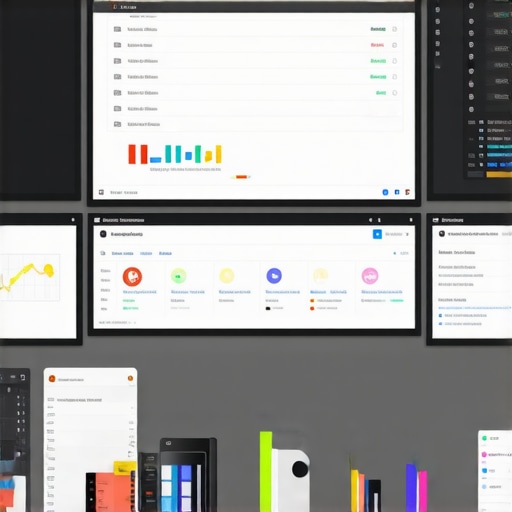
Image prompt: A professional workspace showing multiple screens with local SEO dashboards, including BrightLocal, SEMrush, Screaming Frog, and Google My Business interface. Alt text: Local SEO tools dashboard on multiple monitors. Title: Essential Tools for Garland Local SEO Maintenance.
The Hardest Lesson I Learned About gmb Texas, Garland Local SEO, Texas Maps Ranking, Google Business Garland, Local Marketing Garland
One of my biggest takeaways was realizing that neglecting hyper-local signals, like neighborhood-specific keywords and community engagement, can silently sabotage your rankings. The 2026 update emphasized the importance of being a familiar, trusted name within Garland’s local scene, something I stubbornly overlooked early on.
My Eye-Opening Realization About Review Strategies
Attempting to game reviews without genuine quality feedback is a trap. Authentic relationships with satisfied customers and timely review management taught me that trustworthiness is still king—more so than I initially believed in our digital age.
Tools That Truly Elevated My Garland Local SEO Game
- BrightLocal: Its comprehensive audits and review tracking gave me clarity on subtle profile issues hiding in plain sight.
- SEMrush: Using local keyword tracking revealed opportunities I didn’t even know existed, especially in Garland’s diverse neighborhoods.
- Screaming Frog: Technical SEO audits uncovered critical schema errors, ensuring my site was speaking Google’s language effectively.
Keep the Fire Burning: Your Next Moves
There’s no finish line in local SEO—only ongoing adaptation. Stay vigilant by regularly auditing your profiles, leveraging hyper-local content, and refining your review strategy. The 2026 update isn’t just a challenge; it’s an open door for Garland businesses ready to lead with authenticity and technical smarts.